
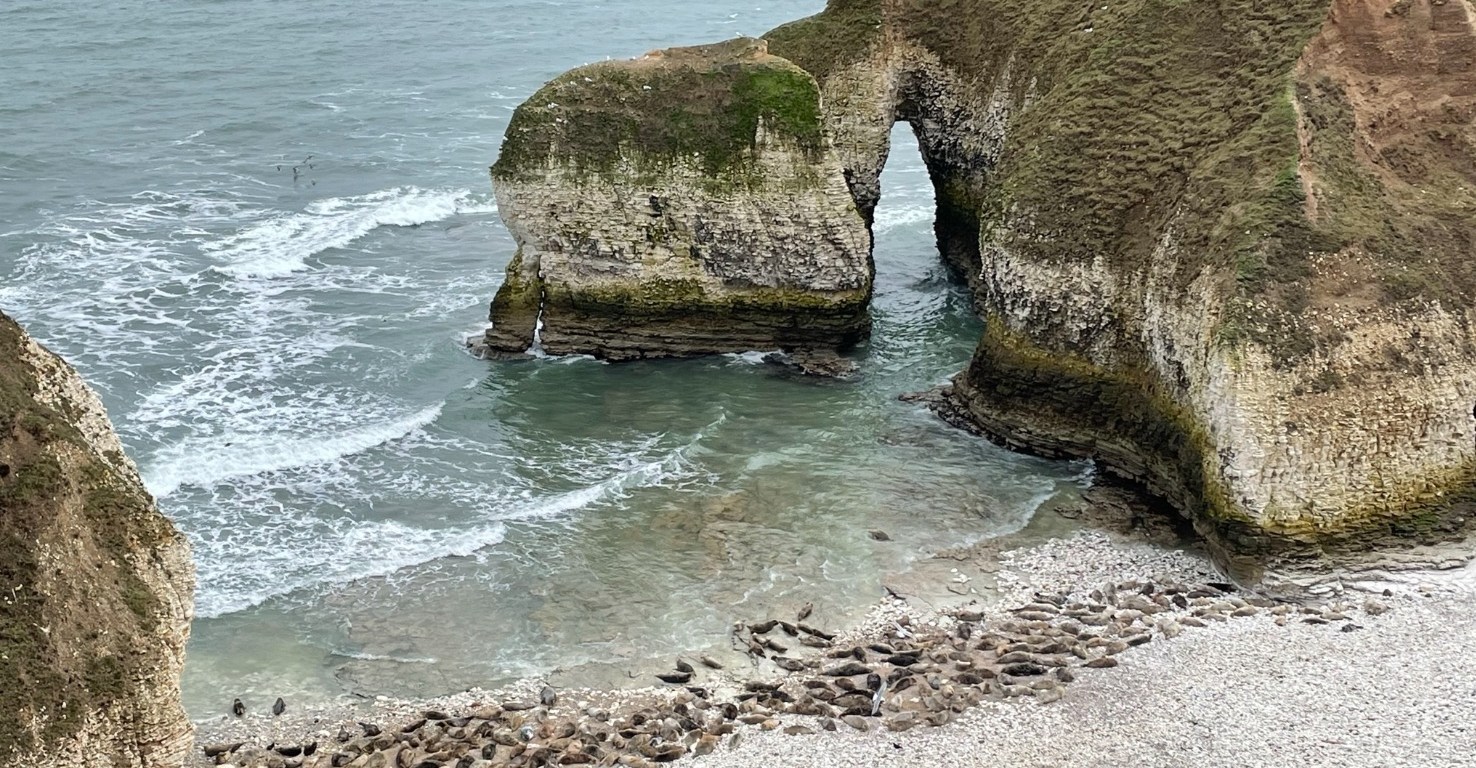
We are delighted to announce that we are working with the Flamborough Bird Observatory (FBO) at the magnificent Flamborough Head in East Yorkshire, supporting the development of their birding and conservation activities.
The Garner-Richards Seawatch Observatory
One of the most exciting things for anyone interested in watching migrating birds is to witness the spectacle of hundreds, if not thousands, of birds migrating in the Spring and Autumn as they move between their breeding and wintering grounds.
Many use the coast to guide their journeys, and if the weather conditions are right, can come inshore and be seen from a cliff-top or other vantage point.
At the right time, watchers can see thousands of birds just offshore – not only the seabirds which breed on the nearby cliffs such as Gannets, Guillemots, Razorbills and Puffins, but also flocks of waders and wildfowl as well as scarce birds such as Sooty and Manx shearwaters and Arctic and Pomarine skuas. Even a Black-browed Albatross has been seen!
Flamborough Head, which juts out eastwards into the North Sea, is perfect for sightings as this is the closest point where land meets the sea. For decades, stalwart birders have watched from the cliffs as birds pass both near and far, often in stormy and cold conditions which often disorientates them and brings them closer. But a more sheltered and less exposed place would be welcome.
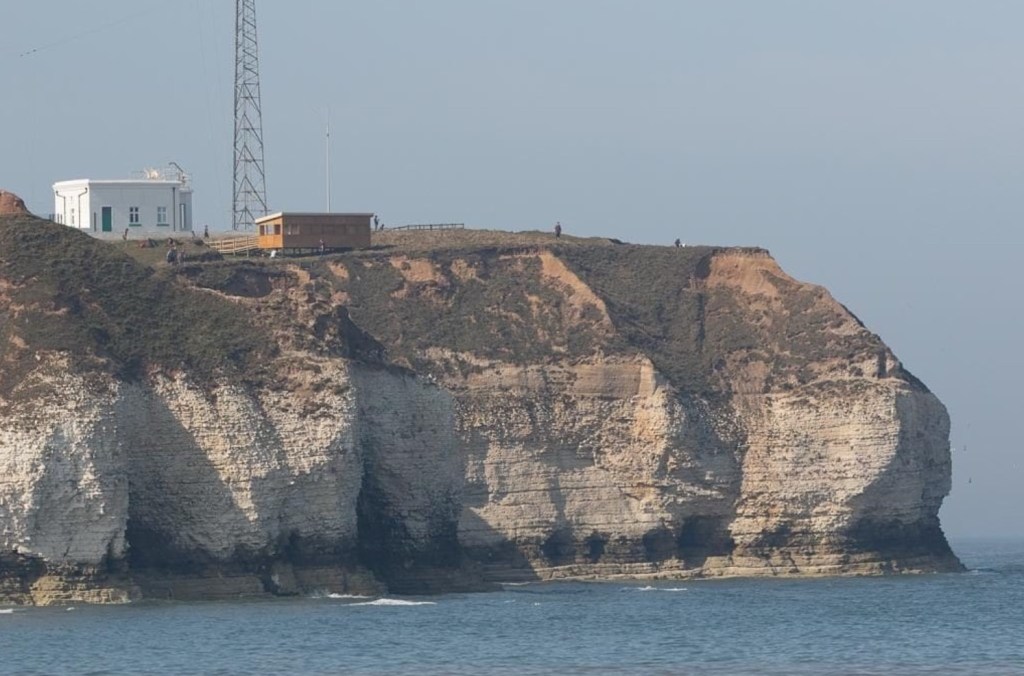
Ten years in the planning, Flamborough’s Seawatch Observatory was completed in 2019. Situated immediately south of the Fog Station, the building offers panoramic views of the seascape south-east of the headland. It provides visitors with a safe place to watch the thousands of seabirds that fly past Flamborough each day. Seals and porpoises are also seen regularly, with whales and dolphins recorded every year.
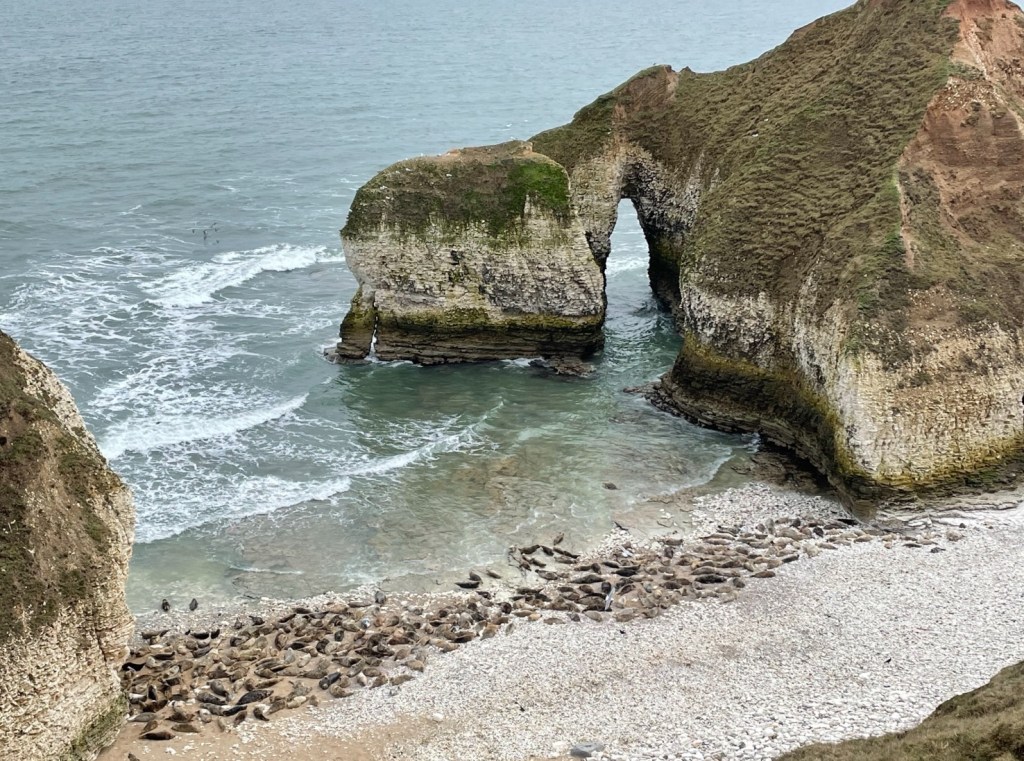
A great many organisations and individuals kindly contributed toward the build costs, including: British Birds Charitable Trust, the Garganey Trust, Green Future Building, Landfill Tax and the Yorkshire Wildlife Trust. This support was augmented by the financial generosity of Flamborough Bird Observatory members and the wider birding community; the latter including friends at Filey & Spurn Bird Observatories.
In true partnership working, The Garganey Trust has helped by securing a licence from the landowner for the building and providing legal support, whilst the FBO members manage and maintain the building on a daily basis.
For more information go to the FBO website.
Working together to restore wildflower-rich clifftop grassland and create habitat for farmland and migrant birds at Flamborough Head
Whilst there is plenty of bird action out at sea, the chalk cliffs of Flamborough Head with their spectacular views, internationally important breeding seabirds, rich marine-life and flower-rich coastal grasslands are one of Yorkshire’s most iconic landmarks, attracting hundreds of thousands of visitors each year. This great white cape which projects three miles into the North Sea, is also one of the most important bird migration sites in the UK and still supports historically rich, farmland bird populations.
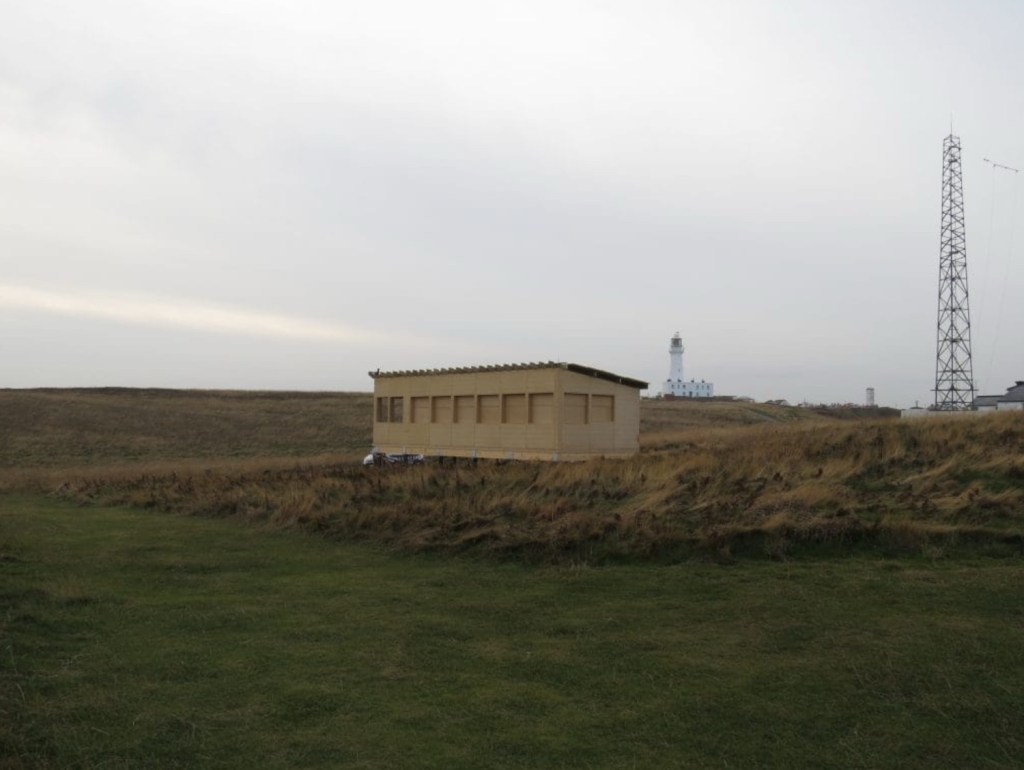
Onthe very outer head the five-hectare lighthouse grassland, forms an integral part of the Flamborough Outer Headland Local Nature Reserve, located adjacent to the Flamborough Head SSSI clifftop grassland. However, the site had not been managed for at least ten years and had become dominated by a wildflower poor rank grassland and Bramble.
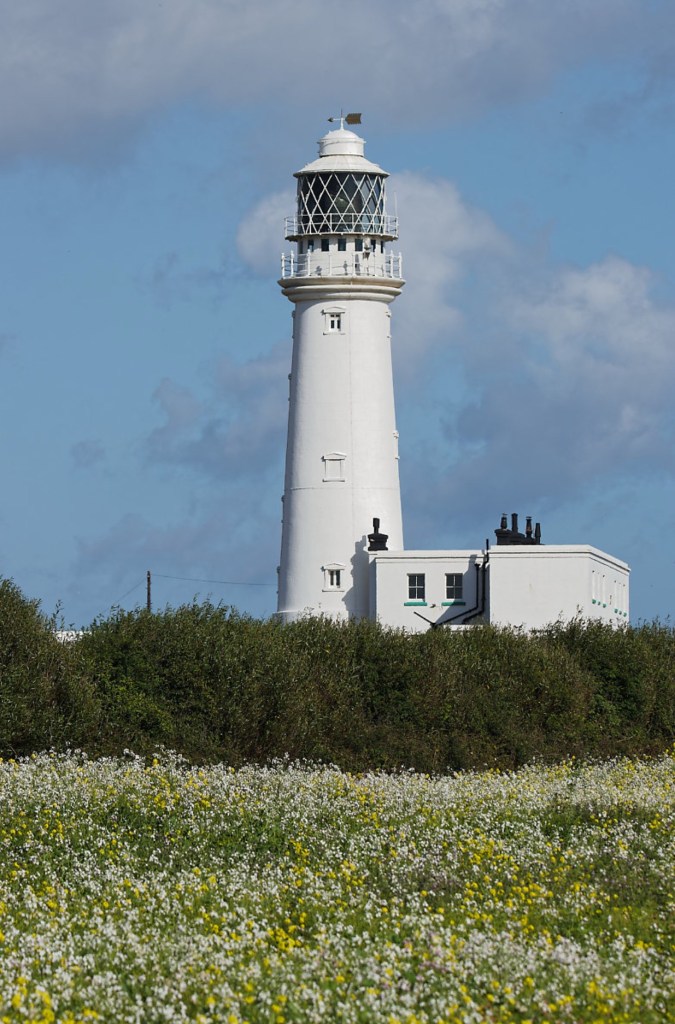
Now, in an exciting new partnership, the Garganey Trust have taken on a five year licence from the East Riding of Yorkshire Council for the site. And, the Trust are working with Flamborough Bird Observatory, who have taken on the day-to-day management of the site, the Council, Natural England and the Yorkshire Marine Nature Partnership, to bring the field and surrounding land on the Outer Head, back into conservation management. This aims to restore the wildflower-rich coastal grassland and create a mosaic of habitat for migrant and resident birds.
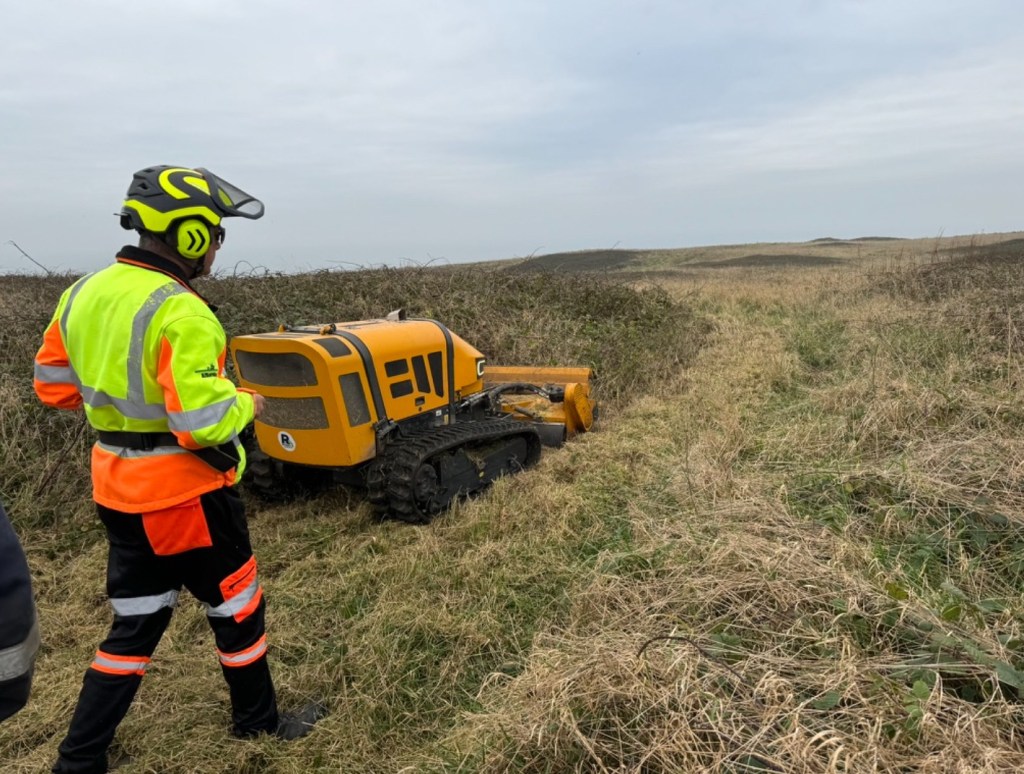
Pioneering work with local farmer, Simon Waines, has already created a wild-bird crop supplemented with bird seed scattered in late winter to provide essential food for local farmland birds. Whilst on the adjacent rank grassland a robo-mower, owned and operated by local contractors, Steve and Pete Couzens, is helping bring the ever-expanding Bramble under control. Small wetland areas will be added in the spring to further enhance the richness of habitat.
In the future, our dream would be to be able to work together to restore the wildflower-rich clifftop grassland whilst creating opportunities for people to enjoy this extraordinary landscape.
 The Garganey Trust